Aspiring apprentices sign up and access our AI Interview Coach for FREE!
From Being Forced Out of University to a FTSE 100 Apprenticeship
Into Legal, Finance and Accounting Apprenticeships
•
By Hassan Mahmood
•
Published on December 16, 2025
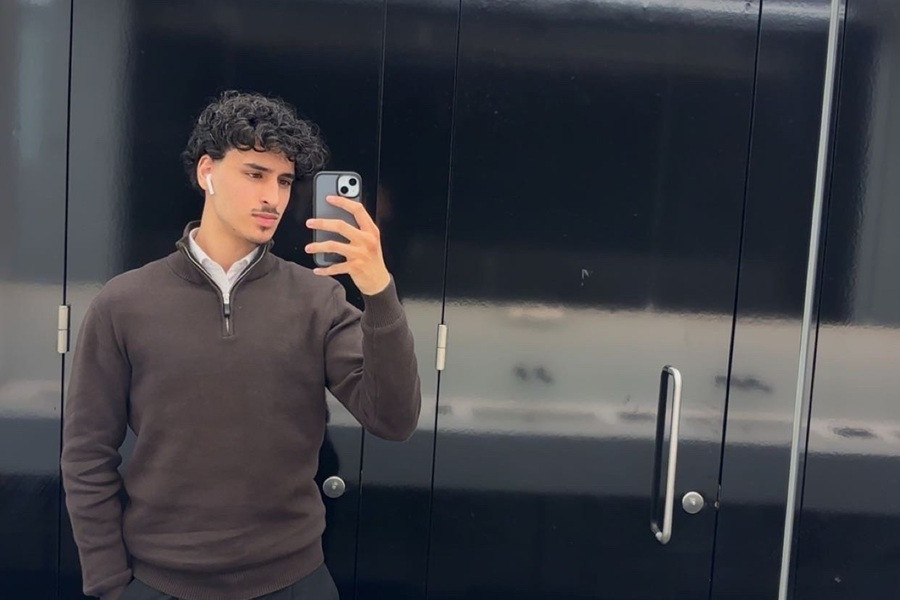
At the start of Year 13, apprenticeships were not something I took seriously. A good friend mentioned them to me, but I dismissed the idea almost immediately. I saw them as the “easy route”, falling into the common narrative that apprenticeships were for people who were not academic enough for university. I also had a teacher tell me that “upper middle class” students go to top universities, not apprenticeships. As a teenager surrounded by those views, I absorbed them without really questioning them.
Because of that, apprenticeships became my plan C. I applied to university and received four out of five offers. Alongside that, I applied to a handful of apprenticeships, mostly in law, and not with much seriousness. I assumed they would be easy and did not research them properly. I did not understand how competitive degree apprenticeships were, nor did I put the effort into the applications that they deserved.
As the year went on, I started researching apprenticeships properly, and that was when the realisation hit me. Degree apprenticeships offered exactly what I wanted: a degree, real work experience, and the chance to earn while learning. It felt like the ideal route. Unfortunately, by the time I reached that conclusion, it was too late in the academic year. I was rejected from every apprenticeship I applied for, and it became clear that I had made a mistake by prioritising university without fully understanding my options.
Rather than give up, I decided to use the summer to prepare properly and aim to secure an apprenticeship during my first year at university. That summer, I went all in. I interned at HSBC in Sales and Trading and completed work experience in law through the Social Mobility Business Partnership. I attended multiple insight days with firms such as Salesforce, Hogan Lovells and Mishcon de Reya, and completed an investment banking course with City Investment Training. I tried to use every opportunity available to build experience and strengthen my applications.
When September arrived, application season began again, but so did university. Balancing lectures, applications, gym, boxing, and maintaining some sort of social life quickly became overwhelming. At first, I struggled to keep on top of everything and fell behind on applications. By October, reality set in. I knew apprenticeships were what I wanted, but university had to remain a backup option in case it did not work out. That meant performing well in both at the same time, which added a lot of pressure.
I began applying seriously and broadly, not just to law firms but also to banks, consultancies, technology companies and large corporates. My interests had widened over time, and so had the types of roles I was pursuing. Rejections followed. One that stood out was HSBC. After completing their summer work experience, I thought I might be fast tracked in the process, so being rejected was particularly disappointing. It was a firm I genuinely liked, and that rejection stayed with me.
In December 2024, everything changed. My university told me that I would not be able to progress into second year. This was not due to failing, but because my modules had been wrongly allocated and I was missing a compulsory module, leaving me without enough credits to pass. The situation added a huge amount of stress. I realised that if I did not secure an apprenticeship, I would have to restart university and effectively be a year behind everyone else. Family pressure increased, and the pressure I put on myself increased even more.
From that point on, every rejection felt heavier. Each one felt like a step backwards. I was progressing far in application processes, sometimes reaching the very final stages, only to be rejected. In one case, I completed seven stages of interviews and assessments, reached the final stage, and was then told the partner hired after three interviews, meaning I was rejected without even getting my opportunity. That was particularly hard to process.
By assessment centre season, I had reached 19 final stages across firms including Santander CIB, Zurich, Amazon, BT, Zayo, Ashurst, Miller and others. One of my dream firms at the time was Ashurst, offering a Global Markets seat. I spent weeks preparing, and after the assessment centre I found myself constantly checking my emails, waiting for an offer that never came. I was rejected due to nerves during the interview. I let the pressure affect me, and I did not perform as well as I knew I could.
On the day of my BT assessment centre, I also had another assessment centre with Zurich scheduled just one hour later. BT had become one of my top choices, as it was a large organisation with significant breadth, and my interests had shifted towards finance and technology rather than purely law. I prepared intensively for BT. The interview that day is something I will always remember. I met Ismail, who interviewed me and later became a good friend, and he told me I had done extremely well. After finishing the BT assessment centre, I ran to a coffee shop to prepare my Zurich presentation, which I had not even started because I had focused so heavily on BT.
The days that followed were extremely stressful. BT was one of the firms I wanted most and one of the last few options I had left. On 7 May 2024, while travelling on the Overground to Liverpool Street, I received a phone call which I’d never forget. When I answered, I was told that I had been selected for the BT Chartered Management Degree Apprenticeship. The relief was immediate. I knew I would not have to restart university or continue applying. I cancelled my remaining assessment centres. Although I later received another offer, I turned it down in favour of BT, confident it was the right decision.
Now, a few months into the apprenticeship, I know I made the correct choice. I am enjoying the role, learning constantly, and building experience in an environment that gives me both stability and room to grow. Looking back, the journey taught me resilience, but more importantly it taught me ownership. When the path I expected disappeared, I had to take responsibility for creating a new one. For anyone still searching for their first job or apprenticeship, especially those feeling pressure or fear of falling behind, I would say that setbacks do not mean you are moving backwards. Sometimes they force you to grow faster than you planned.
For anyone still searching for their first job or apprenticeship, my advice is simple. Take the time to properly understand your options early, even the ones you might initially dismiss. Build experience wherever you can, whether through internships, insight days, online programmes or part time work, because all of it adds up. Treat applications as a process you can improve rather than a judgement on your ability, and do not be afraid to adjust your direction as you learn more about yourself. Most importantly, keep moving forward, even when the outcome feels uncertain. Progress is rarely linear, but persistence and ownership make a bigger difference than talent alone.
Hassan Mahmood
Commercial Degree Apprentice @ BT Business | Ex-WEX @ HSBC, Fitch Ratings, SMBP | Self-directed Markets Trader | Ex-IB Intern
You can find out more and connect with Hassan on LinkedIn.
Find Your Dream Apprenticeship!
Placer Apprenticeships connects the best apprenticeships with top talent.
You can find your dream apprenticeship in three ways:


Your AI Assistant
Chat with our AI to help you find matching opportunities and also answer any questions you have about apprenticeships.

Listings Search
Explore apprenticeship openings in all occupations and set up alerts for new opportunities delivered to your inbox.

Interactive Map
See a map of the UK with pins for all live apprenticeships, helping you zone in on matching locations and occupations.