Aspiring apprentices sign up and access our AI Interview Coach for FREE!
Turning Uncertainty Into Opportunity: My Apprenticeship Journey
When I was approaching Year 13, I thought I had my future more or less figured out or at least, I thought I was supposed to. University felt like the default option. It’s what everyone around me was aiming for, what teachers encouraged, and what I had always assumed I would end up doing. But the truth is, I hadn’t even properly heard about apprenticeships until Year 12. And even then, I’ll be honest I didn’t take them seriously. Like a lot of people, I downplayed the idea. University seemed like the “better” route, the safer option, the one that made the most sense on paper.
Everything changed when I sat down in Year 13 and really asked myself a simple question: Do I actually see myself going to university? For the first time, I stopped thinking about what I was expected to do and started thinking about what I actually wanted. And the answer surprised me. I didn't see myself there at all. That’s when I started looking into alternatives, and apprenticeships suddenly stood out in a way they hadn’t before. The idea of combining real work experience with learning and earning while developing practical skills made far more sense to me than a purely academic route. It felt more aligned with who I was and how I wanted to grow.
Knowing apprenticeships were the right path was only the beginning. The next challenge was figuring out where I even fit. I had interests in both construction and tech, so I began focusing my applications on roles like project management and consulting within those sectors. On paper, that sounds straightforward but in reality, I was completely lost at the start. I didn’t know where to begin, what applications looked like, or even what the different apprenticeship levels meant. I’d go home and spend hours searching online, watching videos, reading guides only to find completely different advice everywhere I looked. One person would say one thing, another would say the opposite. It was overwhelming, confusing, and at times, discouraging. But looking back now, that confusion was the very start of everything.
When I first started applying, I went in with confidence maybe too much. I had completed internships at EY, work experience at AtkinsRéalis, and volunteered at my school. I assumed that would naturally carry me through. Because of that mindset, I didn’t put as much effort as I should have into my initial applications. I thought, I’ll get through this one… or the next one. Then the rejections started coming and in waves. At first, it was frustrating. Then it became worrying. I started questioning what I was doing wrong, especially since I knew I had relevant experience. But instead of ignoring it, I analysed the situation.
I created a tracker listing every company I applied to, the stage I reached, and whether I progressed or got rejected. A pattern emerged: most of my rejections were happening at the same stage the online assessments. That was a turning point. It wasn’t my experience holding me back; it was preparation. I started practising numerical and verbal reasoning tests, revising core maths and English skills, and familiarising myself with the types of questions these assessments involved. Slowly but surely, things began to change.
The next hurdle was assessment centres. If online assessments tested my ability, assessment centres tested my confidence. I’d consider myself a relatively confident person, but walking into an assessment centre felt completely different. You’re surrounded by other strong candidates, you’re being observed, and it feels like everything is being judged in real time. It was nerve-wracking. There were moments where I felt like I forgot everything I had prepared. Moments where I doubted myself mid-task. But each experience taught me something about how to communicate better, how to stay composed under pressure, and how to contribute effectively in a team setting. It wasn’t about being perfect. It was about improving each time.
One of the hardest parts of the journey wasn’t the applications themselves it was watching everyone around me start to secure their offers. By February and March, a lot of people had already confirmed their next steps. Meanwhile, I was still applying, still waiting, still uncertain. That uncertainty started to build pressure. I began thinking seriously about backup plans, mentally preparing for the possibility of taking a gap year. And all of this was happening during exam season, which only added to the stress. But just when things felt the most uncertain, everything changed. Within the space of a week, I received multiple offers. After months of rejection, silence, and doubt things finally started to fall into place. It was a reminder that progress isn’t always visible straight away. Sometimes, it builds quietly in the background before showing up all at once.
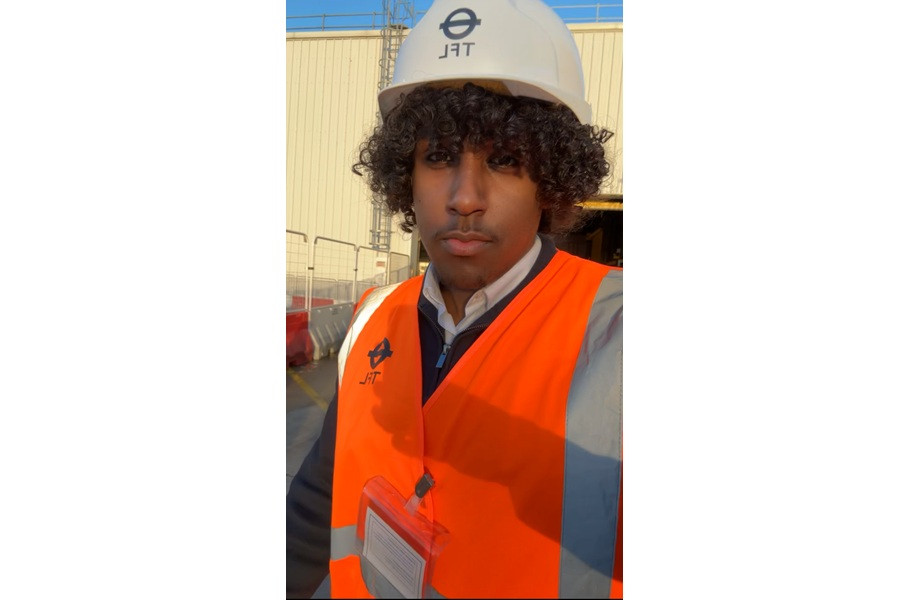
Today, I’m a Project Management Apprentice at Transport for London, working in a role that aligns with my interests and allows me to continue learning every day while gaining real experience. Looking back, the journey wasn’t straightforward at all. It was confusing, challenging, and at times overwhelming. But it was also worth it.
If you’re considering apprenticeships or even just unsure about your next step here are a few things I wish I knew earlier:
- Don’t wait to feel ready. You’ll never feel 100% ready, and that’s normal. I started knowing very little, and most people do. What matters is starting and learning along the way.
- Do your own research. Apprenticeships can be confusing, especially at the beginning. Take the time to understand the different levels, roles, and industries. Reach out to people, ask questions, and build your own understanding.
- Consistency is more important than motivation. Motivation comes and goes. What actually made the difference for me was being consistent, applying regularly, improving my CV, practising assessments, and staying disciplined even when I didn’t feel like it.
- Learn how to handle rejection. Rejection is part of the process. It’s not a sign that you’re not good enough, it's often a sign that you need to adjust your approach. The earlier you learn to deal with it, the stronger you’ll become.
Everyone’s journey looks different. Some people secure opportunities early, others take longer and that’s okay. If there’s one thing I’ve learned, it’s that persistence matters far more than perfection. If you’re willing to keep going, keep learning, and keep improving, you’ll eventually find the opportunity that’s right for you. And when you do, all the confusion and setbacks along the way will start to make sense
Hashim Farah
Project Management Apprentice @ Transport for London
You can find out more and connect with Hashim on LinkedIn.
Find Your Dream Apprenticeship!
Placer Apprenticeships connects the best apprenticeships with top talent.
You can find your dream apprenticeship in three ways:


Your AI Assistant
Chat with our AI to help you find matching opportunities and also answer any questions you have about apprenticeships.

Listings Search
Explore apprenticeship openings in all occupations and set up alerts for new opportunities delivered to your inbox.

Interactive Map
See a map of the UK with pins for all live apprenticeships, helping you zone in on matching locations and occupations.